
THE HUMAN BRAIN, UP CLOSE
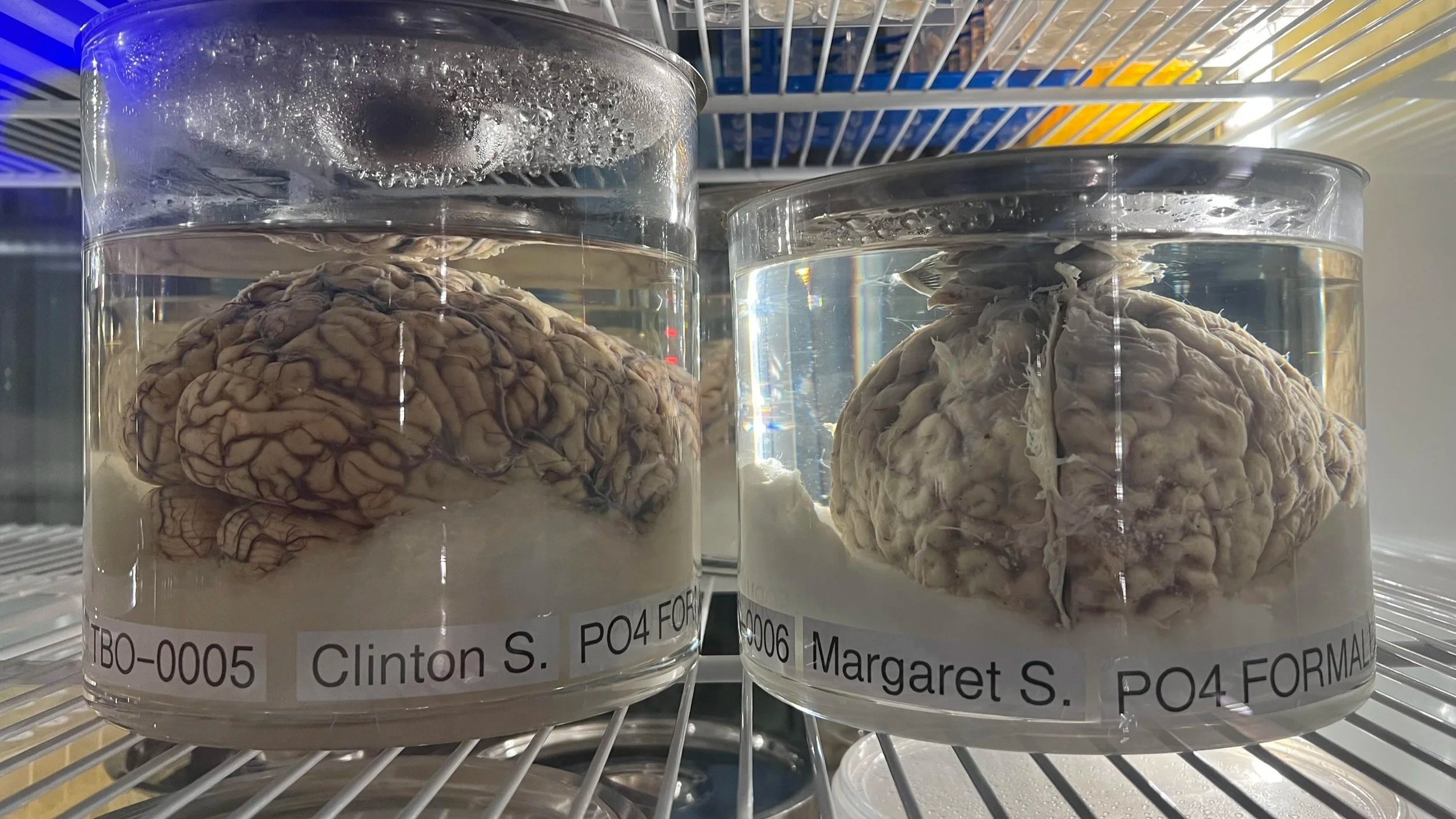
The Brain Observatory is a nonprofit neuroscience laboratory in downtown San Diego. We study donated human brains using high-resolution imaging, microscopy, and AI—and share our work and methods with researchers and the public. Our laboratory combines multiple neuroimaging techniques to map the human brain at cellular resolution and to identify precise diagnostic markers of neurological disease. The foundation of our work is a brain donation program that endows our research with extremely valuable samples that are characterized clinically and radiologically - each with a unique story to tell.
OUR WAY TO DO SCIENCE
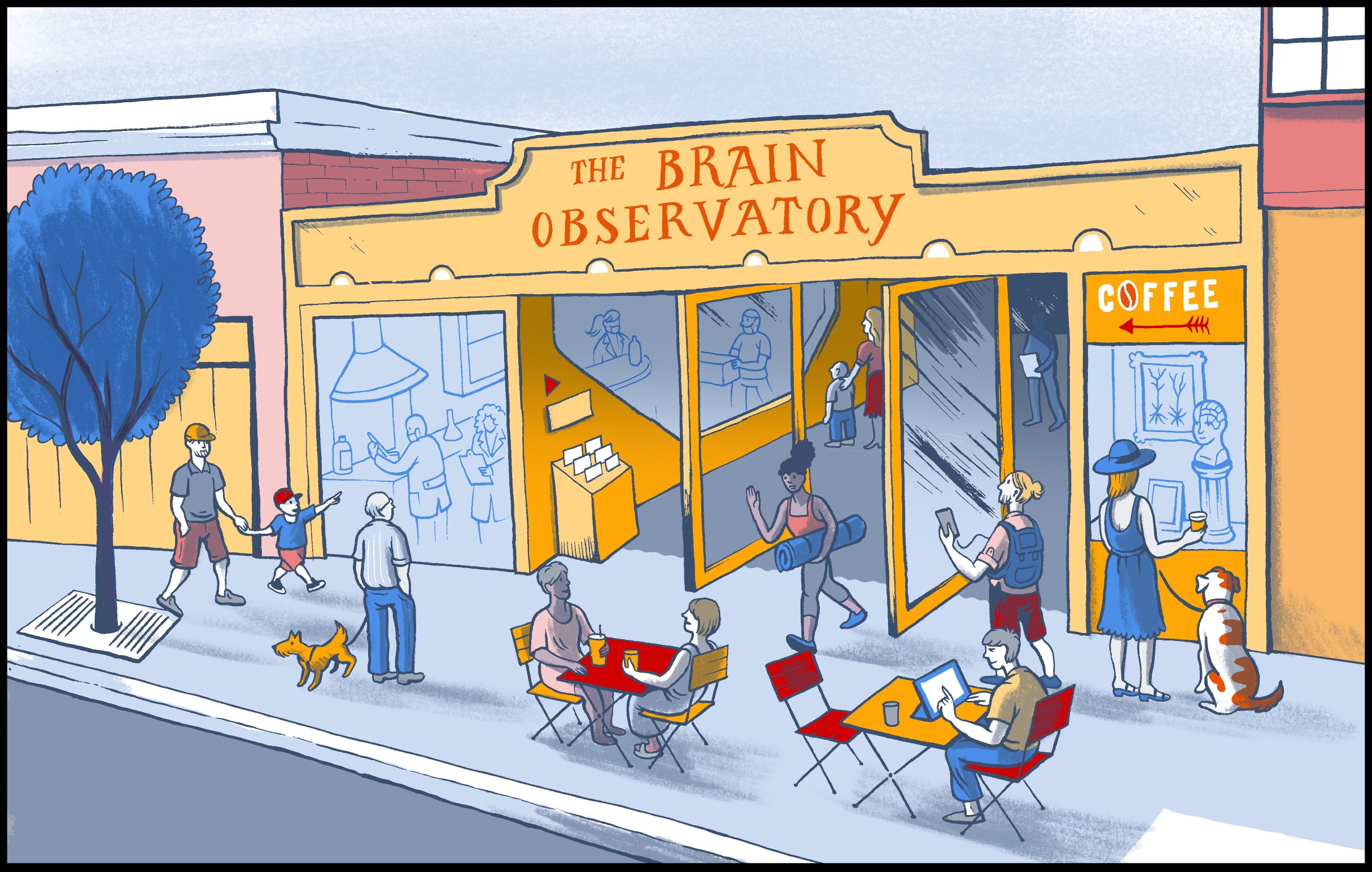
The Brain Observatory is a storefront laboratory—a working research space intentionally placed in public view. Our model combines rigorous study of the human brain with open science, education, and direct dialogue with the community. We believe trust is earned by showing how science works: the questions, evidence, uncertainties, and responsibilities behind every research study.
A PACT WITH RESEARCH PATICIPANTS
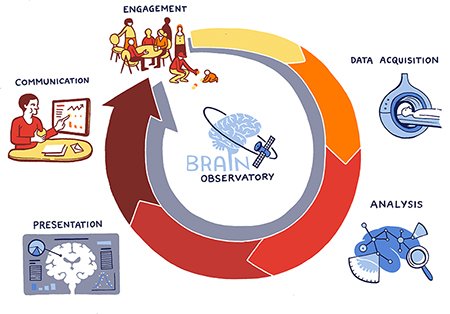
The Brain Observatory integrates scientific research and public engagement into a continuous cycle of discovery. Community participation supports the acquisition of valuable brain data, which are analyzed and transformed into new scientific knowledge. Research findings are then made accessible through educational programs, exhibitions, and public communication, inspiring further engagement. In this model, science is not confined to the laboratory: the community becomes an active participant in the research process, helping advance our understanding of the human brain.
FROM A LOCAL MODEL TO A GLOBAL NETWORK
The Brain Observatory is developing an open science model that can be replicated in cities across the United States and internationally. Each Observatory would combine a working, public-facing laboratory with a local brain donation program and education and outreach rooted in its community.
Connected through consistent protocols for processing and analyzing specimens—and united by the same community values—each site would develop a distinctive research focus shaped by the expertise of its local scientific community and reflecting local cultural and health priorities. Together, the sites would contribute brain specimens and data collected in accordance with shared standards. Increasing the number and diversity of brains available for study would make research findings more representative, reliable, and powerful.