

Personalized Brain Medicine for the World’s Two Billion Neurological Patients
The Problem
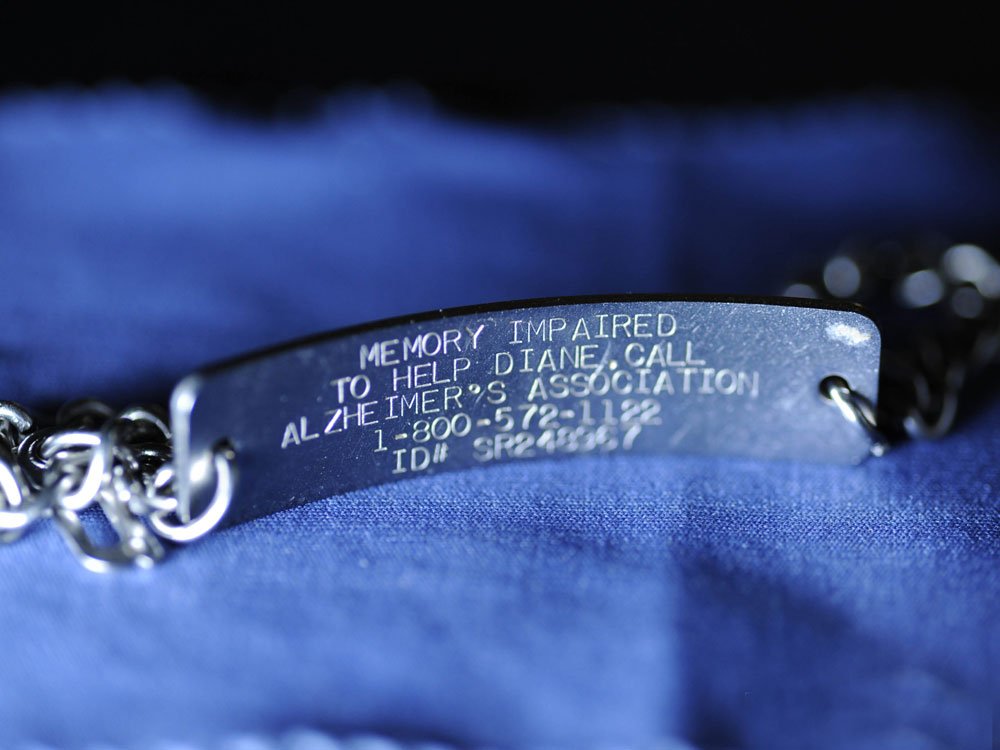
1 in 3 people is affected by a neurological condition — conditions we cannot cure or prevent if we do not understand the underlying cellular mechanisms. However, available human data at the cellular level are too limited to represent individual variation across the population. Centuries of neuroscience have sought answers about the brain's complexity, but the real challenge, and the main reason for the lack of progress in curing brain disease, is variability. Discovering the right treatments for individual patients requires understanding not only the human brain, but how human brains differ, and for that we need to examine thousands of brains microscopically.
The Solution
A worldwide problem requires a worldwide solution
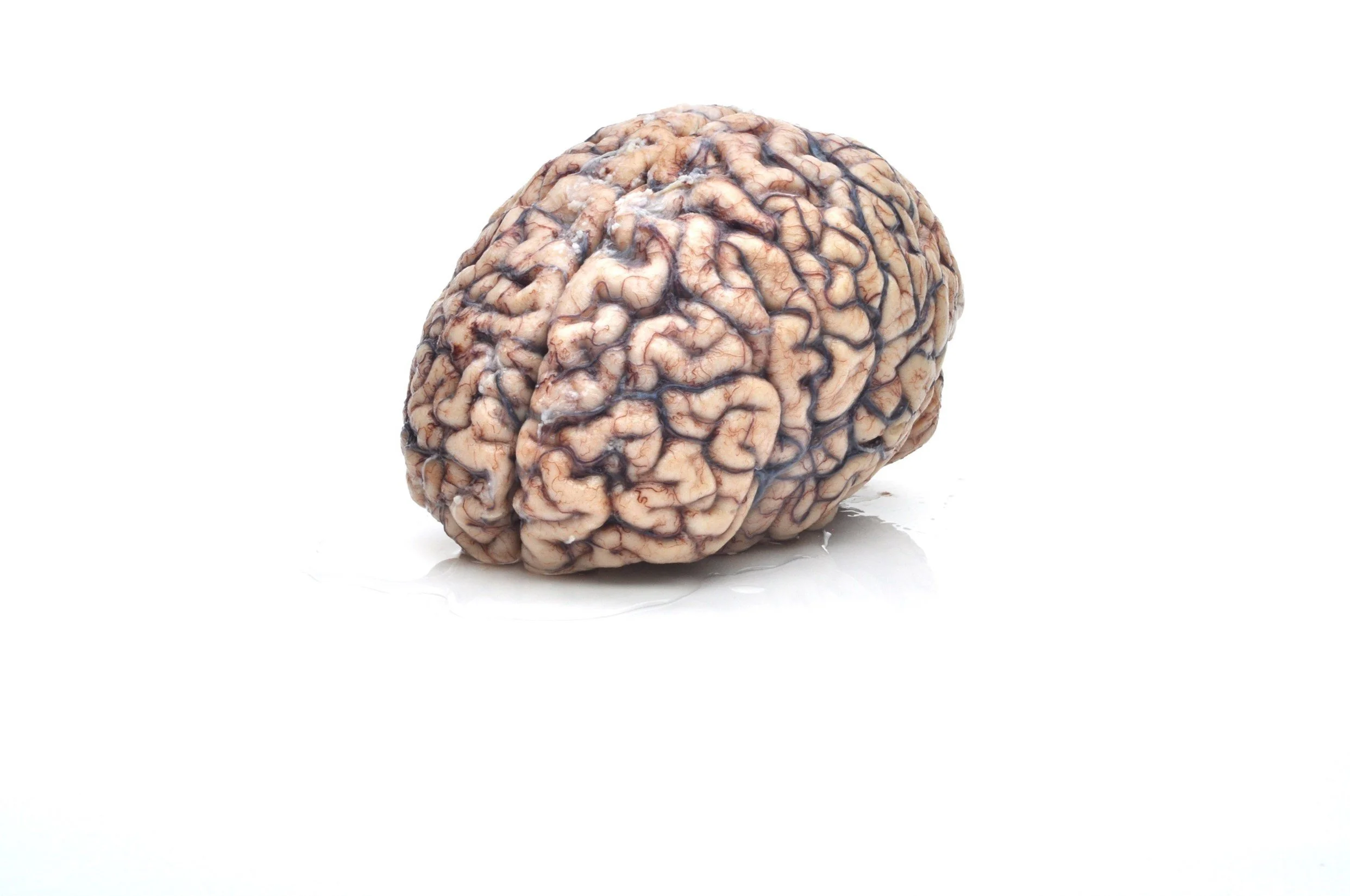
The World Brain Bank will build a globally sourced database from real, donated human brains, creating cellular-level maps across thousands of individuals.
By scaling information from the cellular level to the population level, we can begin to capture the biological variation that distinguishes one human brain from another. At this scale, AI can uncover patterns that are invisible in small samples and in low-resolution MRI datasets and that can revolutionize the way we understand the brain.
Methods / Technological Foundations
Using a validated whole-brain sectioning, imaging, and reconstruction platform, each donated brain is physically sectioned into thousands of thin slices that are imaged at high magnification and reconstructed in 3D.
Molecular markers are then localized throughout the whole organ using digital microscopy and AI, allowing specific cell types, proteins, and pathological features to be mapped back to their precise location in the brain.
Each brain map integrates cellular and molecular imaging with MRI, clinical history, and other donor information into a single spatially registered dataset.
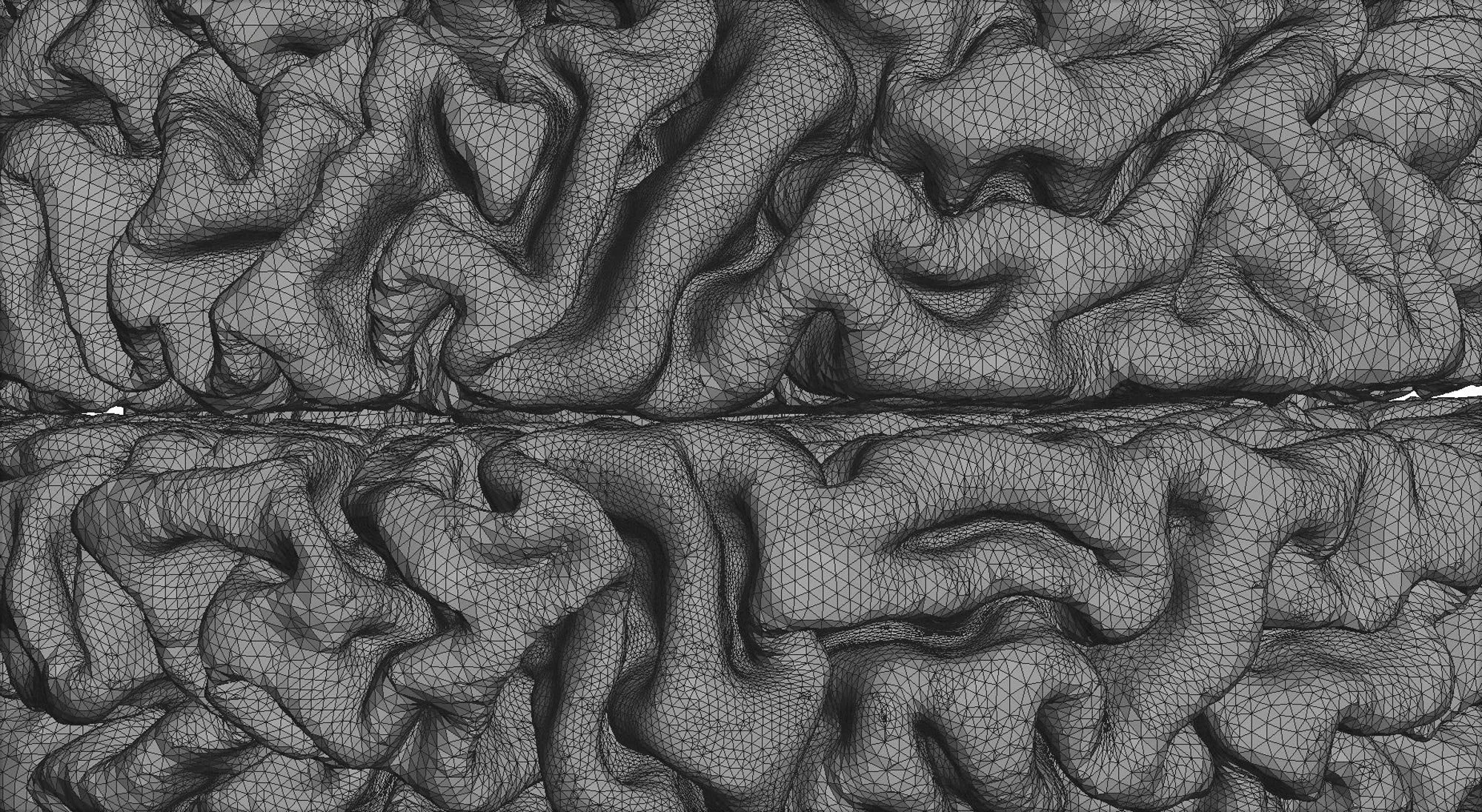
The Human Genome Project transformed medicine by sequencing 3.2 billion base pairs. The World Brain Bank brings a new level of scale and ambition to medicine, setting out to map and compare billions of neurons across thousands of individuals.
Founding Team
Larry G. Stambaugh
Co-Founder & Executive Chairman
Over forty years CEO/Chairman career; raised $600M+ in capital across multiple ventures. Co-Founder, Maxim Pharmaceuticals. Recognized governance expert.
LinkedIn →
Dr. Jacopo Annese
Co-Founder & Chief Science Officer
Former UCSD Professor of Radiology. Pioneer of whole-brain microscopy. Founder, The Brain Observatory. Ph.D. in Cognitive Neuroscience, Dartmouth College.
LinkedIn →
Joe Panetta
Co-Founder & Strategic Advisor
President Emeritus, Biocom. In 25 years oversaw growth to $28 million budget and 10+ global alliances. Board member, California Institute for Regenerative Medicine (CIRM).
LinkedIn →
Your Brain Matters
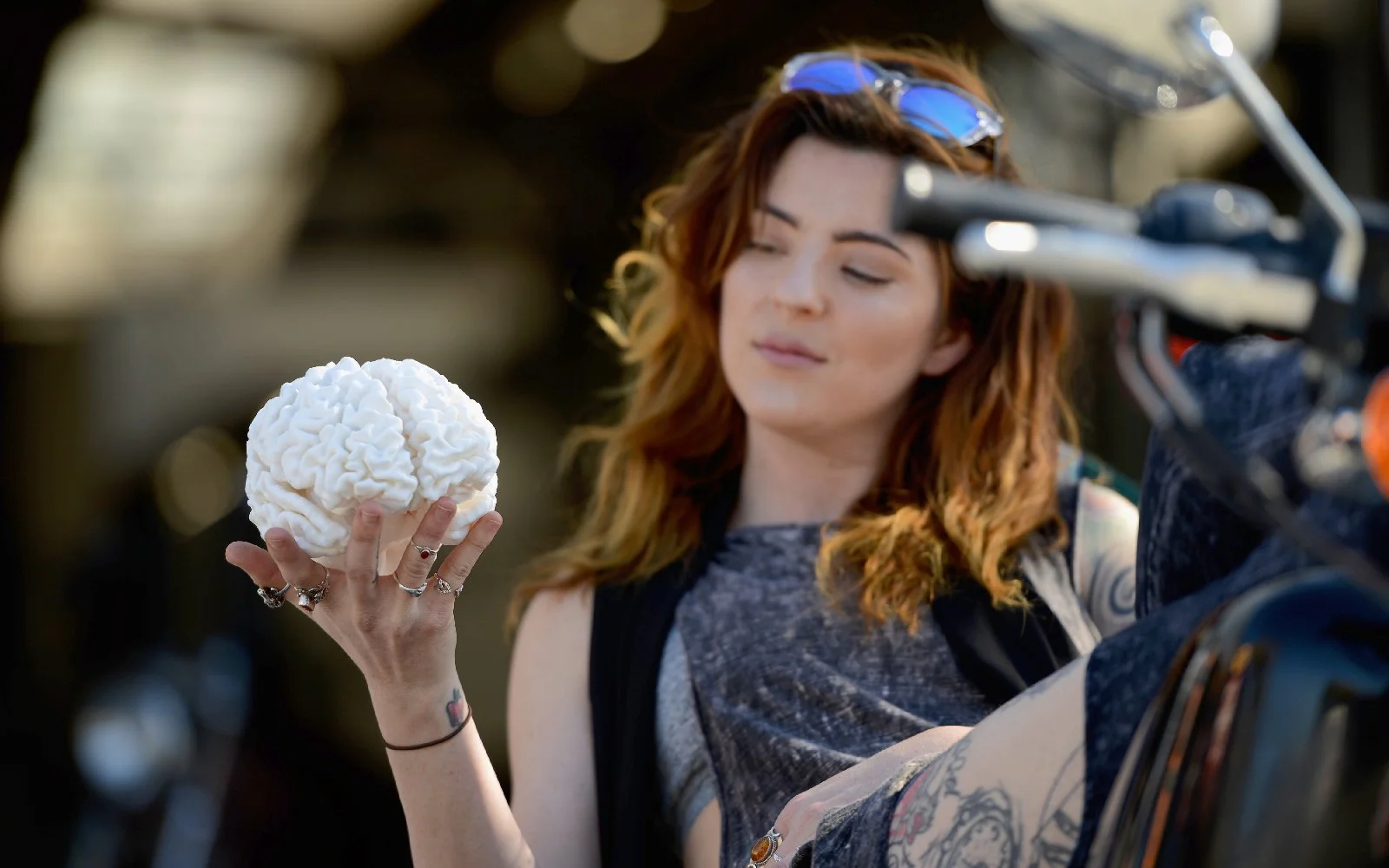
Brain donation is one of the most meaningful ways for anyone, with or without a diagnosis, to advance neuroscience and healthcare. With real brains and case studies available for detailed study, researchers can understand how Alzheimer's, Parkinson's, and other conditions operate at the cellular and molecular levels.
Understanding the human brain is the first step toward any cure, and it is like solving a giant puzzle. Every new case adds a unique piece, bringing us closer to the full picture needed to treat and prevent brain disease for future generations.
Donate
The Brain Observatory (TBO), a San Diego-based 501(c)(3) nonprofit, serves as the nonprofit arm of the World Brain Bank and processes all charitable contributions supporting its work.
The initial development of the World Brain Bank, including the establishment of its headquarters and laboratories, will take place in San Diego. Donations will help build the infrastructure, technology, and scientific capacity needed to advance this ambitious effort from concept to reality.
Thank you for supporting this crucial resource for the future of brain medicine.
Contact
Complete the form with contextual information regarding lorem ipsum dolor sit amet consectetur adipiscing elit ducimus sint nostrud quod in nam et velit proident nulla quo placeat sunt excepturi iusto occaecat accusamus vero atque quidem reprehenderit omnis elit ducimus reprehenderit harum veniam ipsum in vero eum quas ut cupidatat iusto atque elit quos laborum veniam cumque temporibus.
Telephone
Address
Organization Name
Disclaimers
©2026….
Footer to close the page. Company Name, Disclaimers, eNews subscribe, ©2026 The….